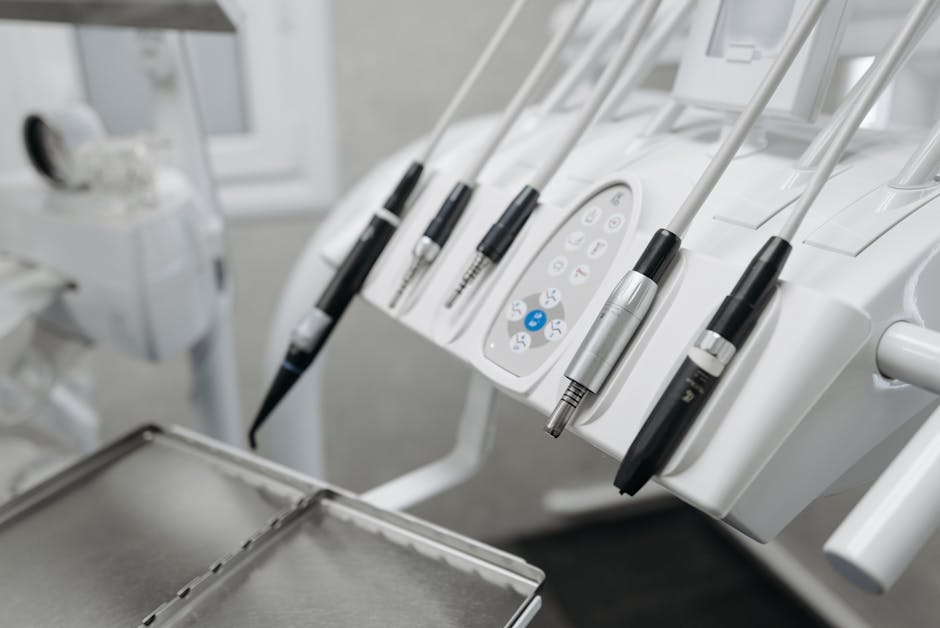



Exploring AI Dental Assistant Solutions in Nepal
Learn about the availability and benefits of AI dental assistant solutions in Nepal, and how they can enhance dental practices and patient care.

Zunkiree Labs Team
The Rise of AI in Healthcare
Artificial Intelligence (AI) is revolutionizing various industries, and healthcare is at the forefront of this transformation. In recent years, AI has begun to touch multiple facets of healthcare, including diagnostics, treatment recommendations, and patient interaction. This evolution is not merely theoretical; it is reshaping the way healthcare is delivered. AI dental assistants are a specific manifestation of this technological wave, leveraging machine learning and data analysis to improve patient care and streamline operational efficiency within dental practices. By automating certain processes, such as appointment scheduling or patient inquiries, dental practices can enhance their service offerings, allowing dental professionals to focus more on direct patient care rather than administrative tasks. This shift toward efficiency is critical, as it enables practitioners to provide higher quality of care while managing their time and resources effectively. Furthermore, AI can use data analytics to identify patterns in patient behavior, offering insights that lead to better treatment plans and preventative care strategies. As a result, the integration of AI in healthcare is not just a trend but an essential component in the progression towards higher standards of patient-centered care.
AI Dental Assistant Solutions in Nepal
In Nepal, the demand for advanced technological solutions in healthcare is growing rapidly. This surge is driven by a collective desire to enhance the quality of health services and increase patient satisfaction across various medical disciplines, including dentistry. There is a shift within the healthcare landscape in Nepal, reflecting a broader openness to innovation and technology. Currently, several local tech companies are at the forefront, actively exploring the integration of AI capabilities within the dental sector. Zunkiree Labs, for example, is one of the innovators providing AI solutions tailored to various industries, including healthcare. They have developed products such as AI-powered customer experience systems that can be seamlessly adapted for dental practices. By simplifying tasks such as patient inquiries and bookings, these AI systems not only help in streamlining operations but also enhance the overall patient experience. Implementing such solutions may fundamentally transform how dental practices interact with their patients. Furthermore, as more clinics start using these technologies, it could lead to a widespread standardization of quality dental services across the nation, catering specifically to the needs and expectations of Nepali patients.
Benefits of AI Dental Assistants
The implementation of AI dental assistants in dental practices carries several advantages that can drastically alter the operational dynamics of a clinic. Firstly, these systems can significantly reduce the administrative workload by automating routine tasks like patient triage and appointment scheduling. This reduction in administrative burden enables dental staff to dedicate more time to clinical duties, thus enhancing overall productivity and professional satisfaction. Secondly, AI dental assistants facilitate improved patient engagement; they have the capability to provide instant responses to common inquiries, ensuring patients feel heard and valued without unnecessary delays. This immediate interaction can lead to increased trust and confidence in the dental practice, which is crucial in retaining patients. Furthermore, by utilizing AI, dental practices can enhance their operational efficiency and maintain better records of patient interactions, resulting in streamlined workflows. This capability for improved data collection and management can lead to more informed decision-making processes and better healthcare outcomes. In summary, the resulting benefits not only improve patient management but can also lead to increased patient retention and overall satisfaction, essential components for the enduring success of dental practices.
Challenges to Implementation
Despite the promising potential of AI dental assistants, implementing such solutions is fraught with challenges that must be carefully managed. For many dental practices in Nepal, the initial investment in technology can be substantial; it requires not only financial resources but also a commitment from leadership to embrace a culture of innovation. Additionally, there may be resistance to change from staff who are accustomed to traditional methods of operation, creating a barrier that can hinder adoption. Another critical issue revolves around data privacy and security, as AI systems often require patient data to function effectively. Ensuring compliance with existing health regulations to protect patient information is essential and can complicate the implementation process. Moreover, the continuous need for staff training to effectively utilize these technologies poses another challenge that practices must address to maximize the benefits of AI. However, overcoming these obstacles often results in operational efficiencies that outweigh the initial hurdles. The long-term gains can lead to a more effective practice, placing AI firmly as a partner in enhancing patient care and ensuring better health outcomes.
Looking Ahead: The Future of AI in Nepal's Dental Sector
As the landscape of healthcare technology continues to evolve, the future of AI in dental care in Nepal looks increasingly promising. With pioneering companies like Zunkiree Labs leading the charge in the development of specialized AI solutions tailored for various sectors, the dental industry stands to benefit significantly from these advancements. The integration of AI dental assistants not only aligns with international trends but also adapts services specifically to meet the requirements of Nepali patients. As these technologies gain traction, it’s expected that more clinics will begin to adopt AI solutions, which may lead to a more standardized quality of dental care across Nepal. The widespread adoption of such technologies promises to enhance the overall patient experience significantly; for instance, online consultations, personalized treatment reminders, and real-time appointment management can transform how patients interact with their dental providers. The prospects herald a new era for dental practices in Nepal, where AI plays a crucial role in making healthcare more accessible and efficient for all. This progression is expected to be a catalyst for ongoing improvements in the dental sector, fostering higher patient satisfaction levels and better health outcomes throughout the country.
What specific benefits do AI dental assistants provide in dental practices?
AI dental assistants enhance operational efficiency by automating administrative tasks like appointment scheduling and patient inquiries. This allows dental professionals to focus more on direct patient care, ultimately improving the quality of care provided.
How is the demand for AI dental assistant solutions in Nepal changing?
There is a growing demand for advanced technological solutions in Nepal's healthcare, driven by a desire to improve health service quality and patient satisfaction, particularly in dentistry.
Which companies are leading the way in integrating AI into dental practices in Nepal?
Several local tech companies are exploring AI integration in dentistry, with Zunkiree Labs being a noteworthy innovator developing AI-powered solutions for customer experience that can be applied in dental practices.
Can AI dental assistants improve patient-centered care?
Yes, by utilizing data analytics, AI dental assistants can identify patterns in patient behavior, leading to insights that improve treatment plans and preventative care strategies, which are essential for patient-centered care.
What impact might widespread AI adoption have on dental services in Nepal?
The widespread adoption of AI in dental practices could lead to the standardization of quality dental services across Nepal, better catering to the needs and expectations of Nepali patients.