



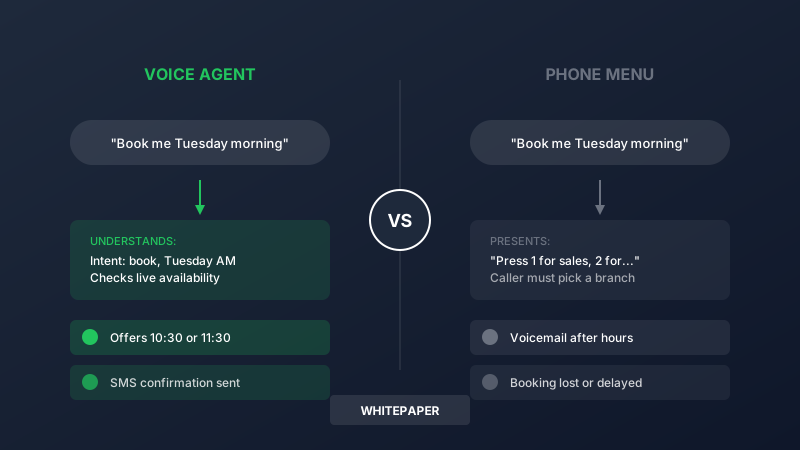
How a voice agent works
A voice agent chains three capabilities: speech recognition turns the caller's words into text, a language model decides what to say or do, and speech synthesis speaks the reply. Between those steps it can call tools, for example to check a diary or look up an order.
Each link adds delay. Callers tolerate a short pause but not a long one, so end-to-end response time is the first thing to measure in any demo.
What to test before you commit
Test with real callers, not scripted ones. Check interruptions, background noise, strong accents, code-switching between languages and names that are hard to spell. A system that handles a clean demo line can still fail on a noisy mobile call.
If you serve callers in Nepali or mixed Nepali and English, test those specifically. Support differs sharply between vendors and between models.
Handoff to a person
The most important design decision is when the agent stops. Define triggers: caller frustration, a request outside scope, a payment or medical question, or two failed attempts to understand. On handoff, pass the transcript so the caller does not repeat themselves.
A voice agent that cannot escape to a human damages trust faster than a long hold queue.
Consent, recording and data
Tell callers they are speaking to an automated system and obtain consent where recording applies. Decide how long recordings and transcripts are kept, who can read them and where they are stored.
Healthcare and financial calls carry stricter obligations. Confirm requirements with your own legal advice before going live.
What you get:
- How a voice agent turns speech into actions and back
- Latency, interruptions and accents: what to test
- When and how to hand a call to a person
- Call recording, consent and data handling
- A four-week pilot plan with exit criteria